Narrative:
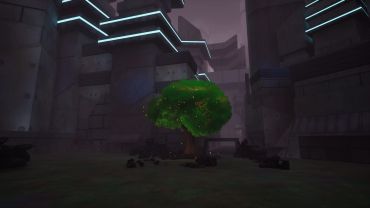
In a world with nature has been killed off and humans have replaced their own flesh with metal shells, the last tree on Earth gives new life to a dead worker bot with the goal of replanting the tree in a spot where the sun is accessible to set in motion the rebirth of natural life.
- Third Person Action-Platformer
- Team Role: Level Designer / Design Lead
- Dev time: 9 months
- Unreal Engine 5.6
- Meshes modeled in-engine
- Team Size: 19
Key Responsibilities:
- Prototype initial level concept to test mechanics in an early format
- Iterate on the positives and negatives of the prototype level to create the finalized Level 1 of the game
- Plan the progression, overall narrative, and set dressing needs of Level 1
- Ensure tutorialization is implemented and that all the core mechanics are introduced to the player in a quick and digestible way
- Lead and guide the game direction
- Manage level and tech design team tasks
- Schedule and direct meetings the address all game design considerations and ideation
- Oversee all other levels to ensure they're in line with the core game's vision
- Communicate with all sectors of the broader team to ensure art, programming, and design are all working together to maintain the core vision of the project.
Key Design Goals:
Level 1 serves as the player's onboarding experience, carefully balancing mechanical introduction with environmental storytelling. The layout follows a classic Teach - Combine - Test macro structure split into three distinct beats.
- Linear Onboarding: Direct the player through singular pathways to establish core movement, interaction, and dialogue constraints without overwhelming the player.
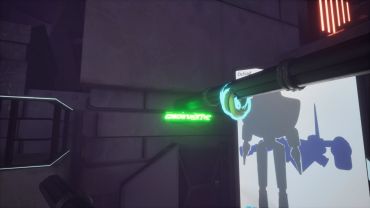
- Persistent Visual Affordances: Introduce visual signposting (green glowing vine swing points, blue sequence triggers) that establish readability rules used throughout the entire game.
- Spatial Pressure & Player Choice: Transition from open navigation to tight, risk-reward hazard management, forcing players to evaluate progression speed versus environmental hazards.
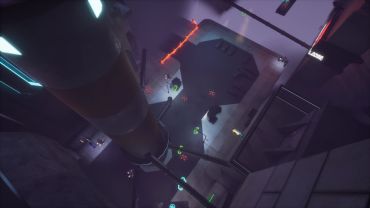
Level Map


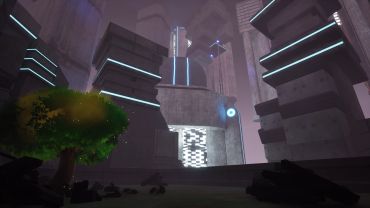
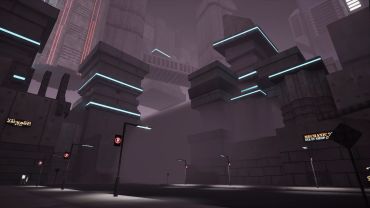
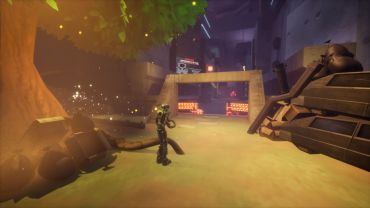
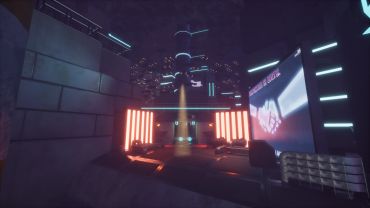
Beat 1: The Alleyways
Design Intent: Introduce primary mechanics in a controlled, linear environment while delivering critical narrative context via companion dialogue.
- Linear Framing: Strict linear pathing ensures the player cannot get lost while learning basic controls and interactions.
- Controlled Narrative Delivery: Audio cues and dialogue triggers line up with movement milestones, introducing the world narrative and companion dynamic naturally without stopping gameplay.
- Isolated Mechanics: Single-action moments allow the player to quickly understand constraints and build mechanical familiarity before facing external combat pressure.
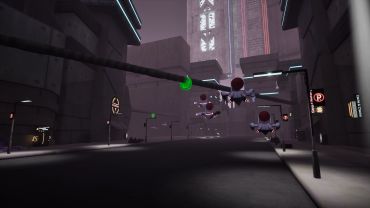
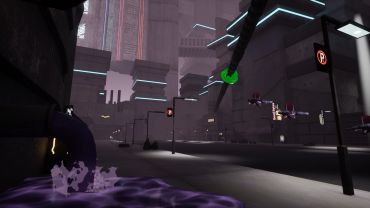
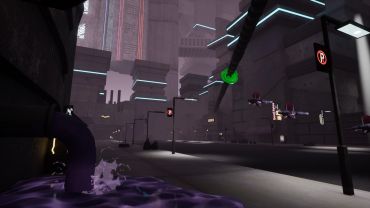
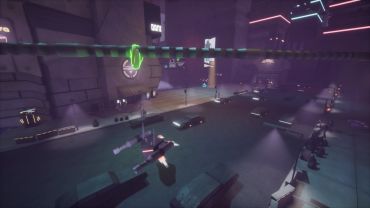
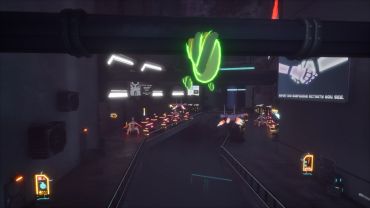
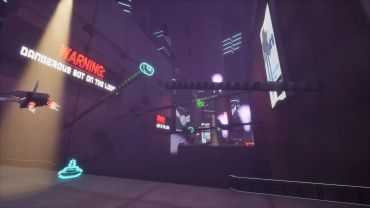
Beat 2: Liberty Streets
Design Intent: Open the layout slightly, asking players to juggle combat and traversal while evaluating navigation paths under environmental cues.
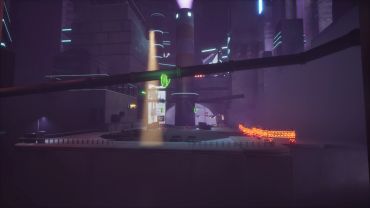
Negative Space via Fog Volumes:
Utilized heavy fog at street ends to softly control playable space, implying an expansive city while subtly restricting invalid paths without relying on invisible walls.
Establishing Global Visual Language:
🟢 Green Glowing Vines: Signaling swing/grapple points.
🔵 Blue Trigger Objects: Signaling interactive sequence points.
Flow & Traversal:
Sequences interact dynamically with movement to create momentum and keep traversal engaging across wider spaces.
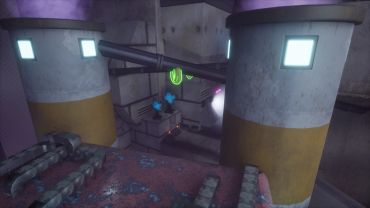
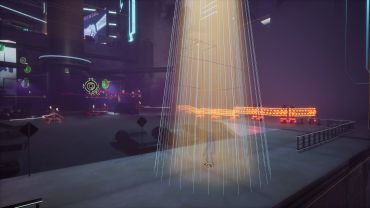
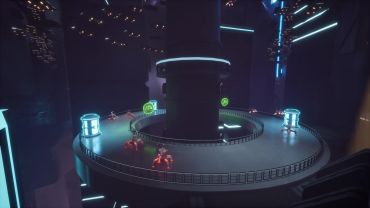
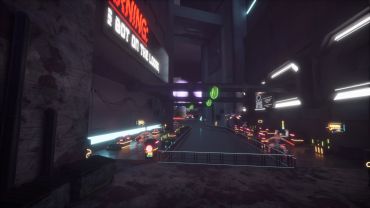
Beat 3: The Elevator and Residencies
Design Intent: Transition from open traversal to tight arena combat, concluding with a risk-reward hazard choice.
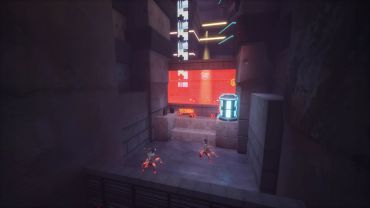
- Constrained Arena Combat: A circular elevator platform with enemy spawns and 3 battery objectives forces players to manage tight spacing and crowd control without falling off the edge.
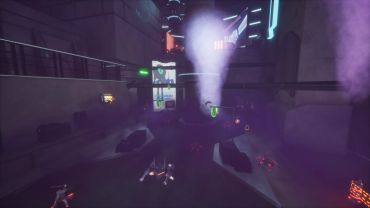
- Hazard Route Selection: The residential area splits into distinct lanes (smog volumes versus sludge pools) requiring players to actively evaluate route friction, footwork precision, and progression speed.