Level Map


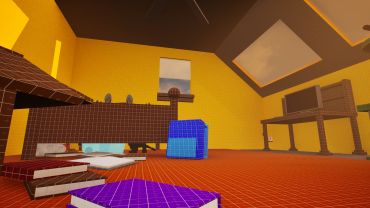
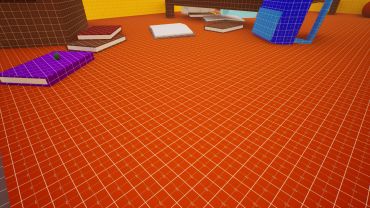
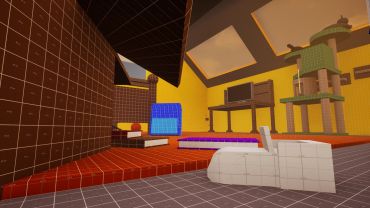
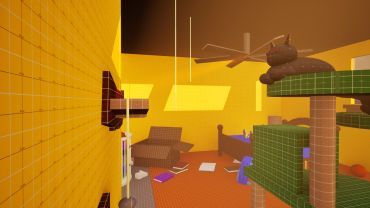
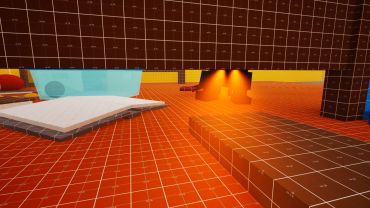
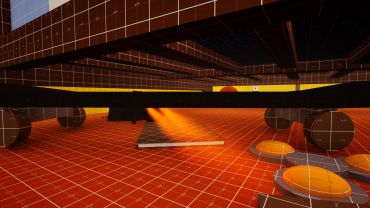
Beat 1: The Carpet Floor
Design Intent: Onboard jump physics and verticality while introducing line-of-sight hazard avoidance.
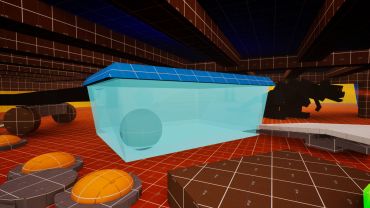
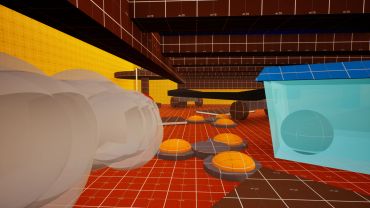
- Micro-Step Progression: The player escapes the toy box by hopping up tiered props—from a white/blue dinosaur to a Lady Liberty souvenir.
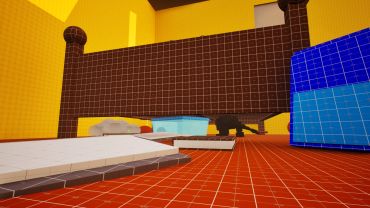
- Line-of-Sight Stealth Hazard: Introduces the aggressive red/black T-Rex toy under the bed. The player must time their movement between cover points (books and scattered toys) while reading the enemy's vision cone to reach the wall boundary safely.
- Vertical Transits: Teaches players to utilize bounce pads and vertical climbing cables to transition off the floor plane.
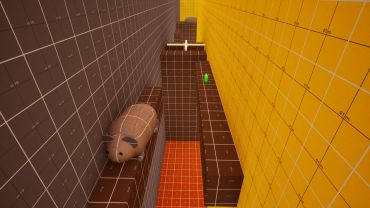
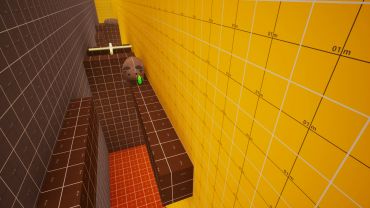
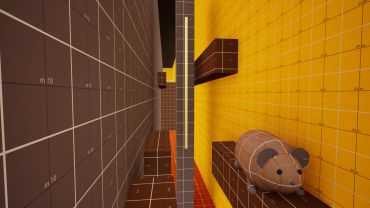
Beat 2: Inside the Mouse Holes

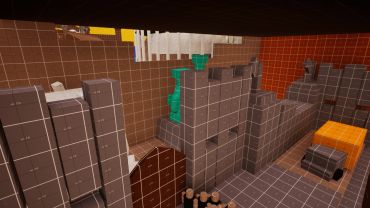
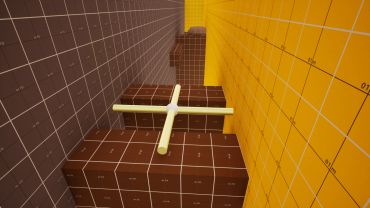
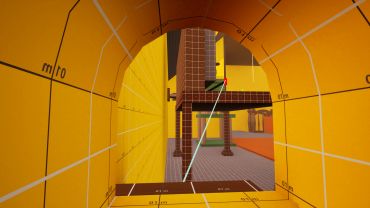
Narrow Corridor Framing: Moving inside the wall introduces tight, linear platforming that contrasts with the open bedroom.
Hazard Rhythm: Patrol mice and rotating obstacles require the player to read movement patterns, time jumps, and utilize vertical cables under spatial restriction.
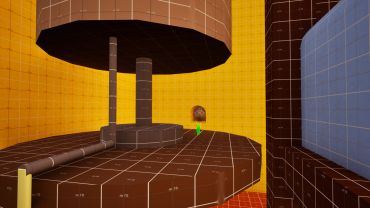
Beat 3: Reaching the Ceiling Fan
Zipline Transition & Desk Navigation:
Zipline Transition & Desk Navigation:
Zipline Transition & Desk Navigation:

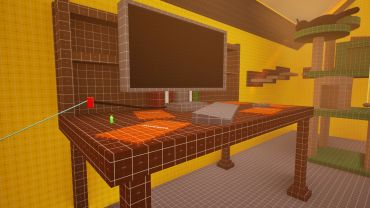
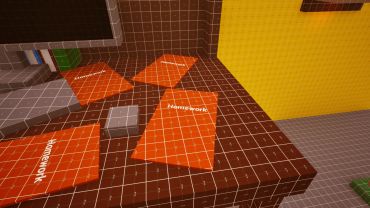
Relaunches the player back into the open room onto the desk surface via an inclined cable, requiring quick navigation to avoid lethal "Homework" hazard zones.
Vertical Structure (The Cat Tree):
Zipline Transition & Desk Navigation:
Zipline Transition & Desk Navigation:
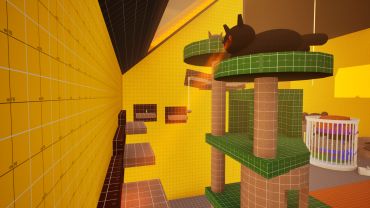
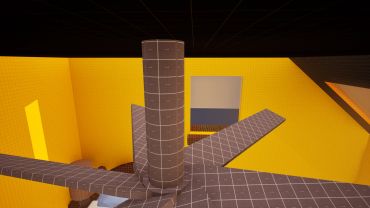
The player transitions onto the cat tree, riding a climbing cable and traversing floating wall platforms while avoiding the two cats' gaze.
Peak Ascension & Gliding Payoff:
Zipline Transition & Desk Navigation:
Peak Ascension & Gliding Payoff:
The player climbs long ceiling wires to reach the highest point in the room, the ceiling fan before gliding out the window to meet their fellow soldiers.
Funneling Player Flow and Managing Spatial Tension

Under-Bed Funneling (Pinching):
In Beat 1, the open space under the bed is gradually pinched down by furniture legs and scattered clutter. This spatial squeeze funnels the player into a single lane, ensuring their camera and focus are locked onto the path forward.
The T-Rex Board (Gating):
As the player approaches the opening under the board, the T-Rex head suddenly blocks the gap. This acts as a dynamic gate—instantly shutting off the path the player was funneled toward and forcing an immediate course-correction onto the route over the board.
The Mouse Hole Transition (Pinching):
Entering Beat 2, the level geometry pinches down to its tightest point. Funneling the player out of the expansive bedroom and into the narrow wall conduit shifts the spatial tension, signaling a transition from a sense of open exploration to tighter platforming.
Designing for a Micro-Perspective
Designing a level where the player is an inch-tall toy soldier introduces immediate readability challenges. Without traditional human-scale cues like doors or stairs, the environment risk feeling cluttered or overwhelming.
- Macro-to-Micro Traversal Readability: I grouped household props into clear, readable "staircases" (e.g., Brick Castle > Toy Dinosaur > Souvenir Statue). This allows players to intuitively calculate jump distances and plot their path upward without relying on explicit UI waypoints or objective markers. As the player scales the room so do the platforms they jump on
- The Window as a Primary Spatial Anchor: The open bedroom window serves as the macro visual goal from the second the player steps onto the floor plane. By maintaining clear sightlines to this anchor across every stage of the ascent, players always retain a clear mental map of their ultimate destination.